Precision After the Lift: Why Wheel Alignments are Non-Negotiable for Kauai Trucks

There’s something undeniably satisfying about seeing your truck for the first time after a lift kit installation. Whether you’ve added a few inches for a more aggressive stance or gone for a full-scale suspension overhaul to tackle the trails, a lifted truck is practically a requirement for life on Kauai. From navigating the backroads to heading down to the beach, having that extra clearance and those beefy tires makes all the difference. However, the job isn’t actually finished when the last bolt is tightened on your new suspension. In fact, the most critical step for the health and safety of your vehicle happens right after the lift: the wheel alignment. If you’ve recently invested in performance upgrades in Kauai or just finished installing custom lift kits in Lihue, skipping the alignment is one of the most expensive mistakes you can make. Here is why precision alignment is non-negotiable for every lifted truck on the Garden Isle. The Science of Suspension Geometry To understand why an alignment is necessary, you have to look at what happens to your truck’s “bones” when you lift it. Your vehicle was engineered with a very specific suspension geometry from the factory. Every angle: how the wheels tilt, how they point, and how they rotate: is calibrated for a stock height. When you install a lift kit, you are fundamentally changing those angles. Even a “simple” leveling kit alters the relationship between your control arms, steering knuckles, and tie rods. Without a professional wheel alignment in Lihue, these components are no longer working in harmony. The Three Pillars of Alignment: Camber, Caster, and Toe When you bring your truck to a mechanic in Lihue for an alignment, they are primarily looking at three specific measurements: Camber: This is the inward or outward tilt of the tire when viewed from the front. If your tires tilt outward at the top (positive camber) or inward (negative camber), they won’t sit flat on the pavement. After a lift, camber is often pushed out of spec, leading to uneven pressure on the tire tread. Caster: Caster is the angle of your steering axis. While it doesn’t affect tire wear as much as the others, it is vital for steering stability and the “return-to-center” feel of your steering wheel. A lifted truck with incorrect caster can feel “flighty” or dart across the lane at highway speeds. Toe: This is the most critical angle for tire longevity. Think of “toe” as whether your tires are pigeon-toed (pointing inward) or duck-footed (pointing outward). Even a tiny fraction of an inch of “toe-out” or “toe-in” will cause your tires to “scrub” against the road rather than rolling smoothly. Protecting Your Tire Investment Let’s be honest: good off-road tires aren’t cheap. When you upgrade to 33s, 35s, or larger, you’re making a significant financial investment. On Kauai, where the combination of heat, humidity, and varying road surfaces already tests your rubber, you want those tires to last as long as possible. If your alignment is off by even a small margin, you can effectively “sandpaper” your tread away in a matter of weeks. We have seen trucks come into our shop with brand-new tires that are already showing “feathering” or “cupping” because the owner thought they could wait a month before getting an alignment. Properly aligning your truck ensures that the weight of the vehicle is distributed evenly across the entire contact patch of the tire. This prevents premature wear and ensures you get the full mileage out of your investment. If you’re curious about how to further protect your rubber, check out our guide on how often you should rotate your tires in Lihue. Safety and Handling on Kauai’s Roads Driving a lifted truck naturally changes its center of gravity. Your vehicle is taller, which means it handles differently in turns and under heavy braking. When your alignment is out of spec, these handling changes become exaggerated: and potentially dangerous. A common symptom of a poor alignment after a lift is “bump steer.” This happens when your suspension moves up and down over a pothole or a dip in the road, and the change in geometry causes the truck to jerk to one side. On the winding roads around Kauai, the last thing you want is a steering wheel that has a mind of its own. Furthermore, an off-center steering wheel is a classic sign of a bad alignment. While it might seem like a minor annoyance, it can actually interfere with your vehicle’s Electronic Stability Control (ESC) systems. Modern trucks use sensors to know exactly where the steering wheel is pointed; if the computer thinks you are turning when you are actually going straight, it can trigger unwanted braking or traction control intervention. Avoiding Stress on Steering Components Your suspension and steering systems are a complex web of interconnected parts. When one part is out of alignment, it forces other parts to pick up the slack. Over time, this leads to premature wear on ball joints, tie rod ends, and wheel bearings. By ensuring your truck has a precise auto repair in Lihue service after your lift, you are essentially “zeroing out” the stress on these components. It keeps the steering rack centered and ensures that the force of the road is absorbed by the shocks and springs as intended, rather than being transferred into the steering linkage. We often talk about how skipping your wheel alignment can be a costly mistake, and this is especially true for specialized builds. Performance parts are designed to work within certain tolerances; exceeding those tolerances because of a bad alignment can lead to “clunking” sounds, vibrations, and eventually, mechanical failure. Why Local Expertise Matters Not every shop is equipped to handle the complexities of an alignment on a lifted truck. Standard alignment machines often use factory “book values” that don’t always apply to a truck with modified suspension. At Destination Autoworks, we understand that a lifted truck requires a more nuanced approach. We look at
7 Mistakes You’re Making with European Auto Repair (and How to Fix Them)
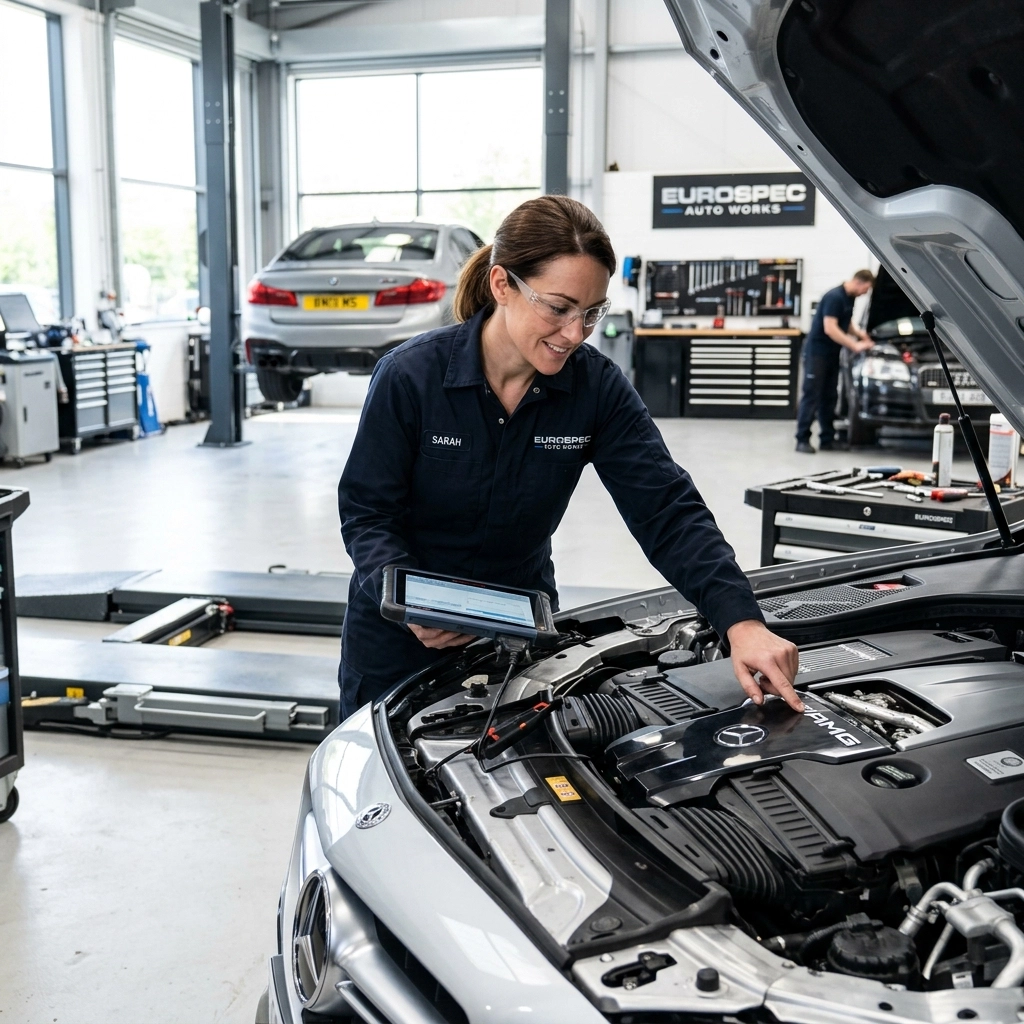
Owning a European vehicle in Lihue is a statement of appreciation for fine engineering, performance, and comfort. Whether you are navigating the winding roads of Kauai in a sleek Mercedes-Benz or hauling the family in a sturdy Volvo, these machines are built to a higher standard. However, that high standard of engineering requires an equally high standard of care. At Destination Autoworks, we have spent over 25 years serving the Kauai community. We’ve seen firsthand how the island’s unique environment: the salt air, the humidity, and the stop-and-go traffic of Lihue: can take a toll on even the most robust German or Swedish engine. Unfortunately, we also see owners making the same preventable mistakes that lead to expensive repairs. If you want to protect your investment and keep your car running like the day you drove it off the lot, here are the seven most common mistakes people make with European auto repair and, more importantly, how to fix them. 1. Following the “Normal” Service Schedule in an Island Environment The owner’s manual in your glovebox likely lists two maintenance schedules: “Normal” and “Severe.” A common mistake is assuming that because you aren’t racing your car on a track, you fall into the “Normal” category. In Lihue, “Normal” driving doesn’t really exist. Between the high humidity, the salt-laden air of Kauai, and the frequent short trips that don’t allow the engine to reach full operating temperature, your vehicle is almost certainly operating under “Severe” conditions. The Fix: Transition your maintenance mindset. Follow the severe service interval for oil changes, filter replacements, and fluid flushes. Why regular maintenance extends the life of your vehicle is especially true for European imports that rely on clean, high-grade lubricants to protect complex internal components. 2. Using Generic Parts and Fluids European engines are designed with incredibly tight tolerances. Brands like BMW, Mercedes, and Audi have very specific requirements for everything from the viscosity of the motor oil to the chemical composition of the coolant. Using a “universal” coolant or the cheapest oil available at a big-box store is a recipe for disaster. Generic fluids can lead to seal degradation, internal corrosion, and even the failure of sensitive components like the water pump or turbocharger. Similarly, low-quality aftermarket brake pads may save you a few dollars today, but they often squeal, produce excessive dust, and wear out your expensive rotors prematurely. The Fix: Always insist on OEM (Original Equipment Manufacturer) or high-quality parts that meet European specifications. At Destination Autoworks, our ASE-certified technicians use only the fluids and parts that your specific manufacturer recommends. This ensures your vehicle performs exactly as it was engineered to. 3. Believing the Myth of “Lifetime” Fluids If your dealership or manual tells you that your transmission fluid or coolant is “lifetime,” take that with a grain of salt. In the world of automotive manufacturing, “lifetime” often refers only to the duration of the original factory warranty: not the 15 or 20 years you hope to keep the car. Over time, transmission fluid breaks down due to heat and friction. In the tropical climate of Kauai, heat is a constant factor. Neglecting these fluids is one of the leading causes of transmission problems. The Fix: Treat “lifetime” fluids as long-life fluids, not permanent ones. We recommend having your transmission, differential, and cooling systems inspected and serviced every 60,000 to 80,000 miles to prevent catastrophic (and expensive) failures. 4. Taking Your Car to a Generalist Mechanic Not all mechanics are created equal. While a general mechanic in Lihue may be excellent at working on domestic trucks or economy sedans, European cars require specialized diagnostic tools and software. Mercedes-Benz, for example, uses complex electrical systems and proprietary computer codes that generic scanners often can’t read accurately. A generalist might misdiagnose a sensor issue, leading to a “parts-darts” approach where they keep replacing components until the problem goes away: on your dime. The Fix: Choose a shop that specializes in European auto repair in Lihue. At Destination Autoworks, we have the specialized diagnostic equipment and the decade-spanning expertise required to pinpoint issues quickly and accurately. Knowing what makes Destination Autoworks different comes down to our commitment to brand-specific knowledge. 5. Neglecting Tire Health and Alignment Kauai’s roads can be tough. Between the occasional pothole and the abrasive nature of island asphalt, your tires and alignment take a beating. European cars are often tuned for precision handling, which means they are highly sensitive to even slight misalignments. If your alignment is off, you’ll experience uneven tire wear, reduced fuel economy, and a “pull” in the steering wheel. Even worse, it can put undue stress on your suspension components. The Fix: Don’t wait until your tires are bald to think about your suspension. Regularly rotating your tires in Lihue and checking your alignment at least once a year will save you hundreds of dollars in the long run. Proper alignment protects your suspension and ensures your European car handles with the agility you expect. 6. Attempting Complex DIY Repairs Without Proper Tools We appreciate the hands-on spirit of many Kauai drivers. However, European cars are increasingly digital. Many modern repairs: even something as seemingly simple as a battery replacement or a brake job: require the car’s computer to be “reset” or “coded” to recognize the new part. Without the proper software, a DIY battery swap could lead to electrical glitches, and a brake job might trigger permanent error lights on your dashboard. Furthermore, European engines often require “specialty tools” for tasks like timing belt replacements or valve adjustments that you simply won’t find in a standard toolbox. The Fix: Know your limits. While checking your oil or changing a wiper blade is great, leave the complex mechanical and electrical work to the professionals. Attempting to save money on labor can often result in a much higher bill to fix the mistakes made during a DIY attempt. 7. Ignoring the Early Warning Signs It’s tempting to ignore a small oil drip on the driveway or
Is Skipping Your Wheel Alignment Bad? Here’s the Truth

Picture this: You’re driving down Kaumualii Highway, enjoying the lush green scenery of Kauai. You take your hand off the steering wheel for just a split second to adjust the radio, and suddenly, your car starts drifting toward the shoulder. You find yourself constantly “fighting” the wheel just to keep the vehicle centered in your lane. Many drivers in Lihue treat wheel alignment as an “optional” service, something to be checked only when they get new tires or if they happen to remember. But is skipping your wheel alignment actually bad for your car? The short answer is yes. In fact, ignoring your alignment is one of the quickest ways to turn a minor maintenance task into a major financial headache. At Destination Autoworks, our ASE-certified technicians see the results of neglected alignments every day. From shredded tires to compromised safety, the “truth” about skipping your alignment is that it costs you far more than the service itself. What Exactly Is a Wheel Alignment? To understand why skipping it is risky, we first need to clear up a common misconception. Wheel alignment isn’t actually an adjustment of the wheels or tires themselves. Instead, it’s an adjustment of the vehicle’s suspension system: the complex network of components that connects the vehicle to its wheels. Think of it like a pair of high-quality running shoes. If your feet are perfectly aligned, the soles wear down evenly, and you can run for miles without pain. But if you overpronate or have a crooked gait, you’ll wear out one side of the shoe within weeks, and eventually, your knees and hips will start to ache. In your vehicle, the “ache” manifests as worn-out suspension parts, and the “soles” are your expensive tires. A professional wheel alignment in Lihue ensures that your tires make contact with the road at the precise angle required by the manufacturer. The Financial Fallout: How Your Tires Suffer The most immediate and visible consequence of skipping your alignment is uneven tire wear. When your wheels aren’t pointed in exactly the right direction, they aren’t rolling smoothly; they are essentially being dragged sideways across the asphalt. 1. Accelerated Tire Wear Research shows that misaligned wheels can cause tires to wear out up to three times faster than normal. If you invested in a high-quality set of tires designed to last 50,000 miles, a bad alignment could see them bald and dangerous by the 15,000-mile mark. Given the cost of rubber these days, skipping a maintenance visit is a poor financial trade-off. You can learn more about maximizing your rubber’s lifespan in our guide on how often should you rotate your tires in Lihue. 2. Specific Wear Patterns Our technicians look for “feathering” (where the tread is smooth on one side and sharp on the other) or “camber wear” (where the inside or outside of the tire is significantly more worn than the rest). Once these patterns develop, the damage is often irreversible, and even correcting the alignment won’t bring that lost tread back. The Fuel Efficiency Myth: Why Your Wallet Feels the Weight With gas prices always a topic of conversation on the island, every mile per gallon counts. Many drivers don’t realize that their mechanic in Lihue can actually help them save money at the pump through a simple alignment check. When your wheels are misaligned, your engine has to work significantly harder to overcome the “rolling resistance” of tires that aren’t heading in the same direction. It’s like trying to push a shopping cart with one wheel stuck sideways: you have to exert much more energy to keep it moving forward. According to industry data, severe misalignment can reduce fuel efficiency by as much as 10%. For a daily commuter in Kauai, that 10% adds up to hundreds of dollars over the course of a year. Keeping your vehicle aligned is a key part of why regular maintenance extends the life of your vehicle and keeps your operating costs low. Safety First: The Danger of a Wandering Vehicle While tires and fuel are about money, alignment is also about safety. A vehicle that pulls to one side is a vehicle that isn’t responding correctly to your input. In an emergency situation: like a sudden stop or a sharp swerve to avoid an obstacle on a narrow Lihue road: proper alignment can be the difference between a close call and a collision. Reduced Grip and Traction When your tires aren’t making full, flat contact with the road, your “contact patch” is reduced. This means you have less grip when cornering and longer stopping distances when braking. In Hawaii’s frequent rain, this loss of traction significantly increases the risk of hydroplaning. Driver Fatigue You might not notice it on a five-minute drive to the store, but on longer trips, the constant micro-adjustments required to keep a pulling vehicle straight lead to significant driver fatigue. A tired driver is a less attentive driver, which compromises the safety of everyone on the road. The “Silent” Damage: Suspension and Steering The wheels are the most visible part of the equation, but the stress of misalignment travels upward into the vehicle’s “bones.” Driving with poor alignment puts constant, uneven pressure on your: Shocks and struts Ball joints Tie rods Wheel bearings Over time, these components begin to rattle, leak, or fail prematurely. Replacing a full set of struts or a steering rack is a massive auto repair in Lihue expense that could often have been avoided with a simple alignment check every 6,000 to 10,000 miles. If you notice strange noises alongside a pulling sensation, you may be seeing the 5 signs your vehicle needs immediate auto repair. 5 Warning Signs You Need an Alignment Now Don’t wait for your next oil change if you notice any of the following symptoms: The Steering Wheel is Off-Center: When driving straight, your steering wheel logo should be level. If it’s tilted to the left or right, your alignment is out. Pulling to One Side: Does the
How Often Should You Rotate Your Tires in Lihue?
Whether you’re a resident or just visiting the beautiful island of Kauai, taking care of your vehicle’s tires is crucial for safe and efficient driving. The lush landscapes and scenic routes in Lihue, Hawaii, are a pleasure to drive through, but the island’s unique conditions can be tough on your tires. One question that often comes up is how often you should rotate your tires in Lihue. In this guide, we’ll delve into the importance of tire rotation, how local conditions affect wear, and practical tips to ensure your tires serve you well. Understanding Tire Rotation Tire rotation is the process of moving tires from one position on a vehicle to another. This practice helps ensure that tires wear evenly over time, which can prolong their lifespan and maintain optimal performance. Why Rotate Your Tires? Uneven tire wear is a common issue that can lead to premature tire replacement. By rotating your tires, you help distribute the wear more evenly across all four tires. This not only extends the life of your tires but also improves vehicle handling and safety. Uneven tire wear can affect your vehicle’s alignment and fuel efficiency, so regular rotation is essential. Imagine you’re driving along the scenic routes of Lihue and you suddenly feel your steering wheel vibrating. This could be a sign of uneven tire wear or misalignment. Ignoring these signs can lead to costly repairs. Different Rotation Patterns There are several rotation patterns, including front-to-back, cross, and side-to-side patterns. The right pattern depends on your vehicle’s drivetrain—whether it’s front-wheel drive, rear-wheel drive, or all-wheel drive. Consulting with a professional at Destination Autoworks can help determine the best pattern for your vehicle. For example, if you drive a front-wheel-drive car, the front tires typically wear out faster as they handle most of the braking and steering. Rotating them to the back can help balance the wear and extend the life of all four tires. If you’re unsure about which pattern suits your vehicle, checking your owner’s manual or consulting a professional is a wise choice. How Lihue’s Climate Affects Tire Wear Lihue’s tropical climate and road conditions can significantly impact tire wear. Understanding these factors can help you adjust your maintenance schedule accordingly. The Impact of Heat and Humidity The warm and humid climate of Lihue can cause tires to wear more quickly. Heat can increase the tire’s pressure and affect its durability, leading to accelerated wear if not properly managed. Regularly checking tire pressure is crucial in these conditions. In a real-world scenario, if you park your car outside during the hot summer months, the heat can cause the air inside the tires to expand, increasing the pressure. Over-inflated tires can wear unevenly and have a higher risk of a blowout. Road Conditions and Tire Wear Lihue’s roads can vary from smooth pavement to rugged, uneven surfaces. Frequent exposure to rough roads can cause tires to wear unevenly, making regular rotation even more important. The mix of urban and rural roads in Kauai means your tires might experience a variety of stresses. Consider a scenario where you regularly take trips to the more remote parts of Kauai. The unpaved roads can cause additional wear and tear on your tires. By rotating your tires more frequently, you can help ensure they wear evenly and last longer, preventing the need for premature replacement. Recommended Tire Rotation Schedule The frequency of tire rotation can depend on several factors, including vehicle type, tire type, and driving habits. However, general guidelines can help you keep your tires in top condition. General Recommendations For most vehicles, it’s advised to rotate your tires every 5,000 to 7,500 miles. This is a good rule of thumb, but it’s always best to check your vehicle’s manual for specific recommendations. If you frequently drive on rough roads or carry heavy loads, you might need to rotate your tires more often. For instance, if you’re using your truck to haul heavy equipment for a construction project, the added weight puts extra stress on the tires. In such cases, rotating your tires every 3,000 to 5,000 miles might be more appropriate. Signs You Need to Rotate Your Tires Aside from mileage, pay attention to signs that might indicate the need for a rotation. Uneven tread wear, vibrations, and unusual noises can all suggest it’s time for a tire rotation. If you notice these signs, it’s a good idea to visit a professional for an evaluation. Ignoring these signs can lead to more severe issues, such as alignment problems or even the need for suspension repairs, which can cost several hundred dollars. Seasonal Considerations for Tire Rotation While Lihue’s weather is relatively consistent year-round, some seasonal factors can still affect tire performance and rotation needs. Rainy Season Precautions During the rainy season, tire traction becomes even more crucial. Ensuring your tires are evenly worn can help maintain grip on wet roads. Regular rotation during this time can enhance safety and performance. Driving on wet, slippery roads with unevenly worn tires can increase stopping distances and reduce control. By maintaining even tread wear through regular rotations, you can help ensure that your vehicle handles better in wet conditions, reducing the risk of accidents. Vacation and Holiday Driving The holiday season can mean more visitors and heavier traffic on Lihue’s roads. If you’re planning a long drive or hosting visitors, check your tires’ condition and schedule a rotation if necessary. This will ensure safe travel during peak times. Professional Tire Services in Lihue While DIY tire rotation is possible, professional services ensure accuracy and comprehensive care. Here’s why you might consider professional help. Expertise and Equipment Professionals at Destination Autoworks have the expertise and equipment to handle tire rotations efficiently. They can also check for other potential issues, like alignment or suspension problems that
Transmission Problems? Know the Warning Signs Early
Your vehicle’s transmission is one of the most critical components in ensuring a smooth, safe, and reliable driving experience. Acting as the bridge between your engine and your wheels, the transmission controls power delivery and allows you to shift gears seamlessly. However, like any sophisticated system, it can develop problems over time. Ignoring early warning signs can lead to expensive repairs, reduced vehicle performance, or even complete transmission failure. At Destination Autoworks, we understand the importance of keeping your transmission in top condition. With over 25 years of automotive experience and ASE-certified technicians, we specialize in European, Asian, and domestic vehicles, ensuring expert care for every transmission issue. This guide will help you identify the most common warning signs of transmission problems, so you can take action early and protect your investment. 1. Unusual Noises When Driving One of the earliest indicators of transmission trouble is unusual noises. Buzzing, humming, or whining sounds when your vehicle is in gear often point to worn-out gears or low transmission fluid. You might notice these sounds when shifting, accelerating, or even when the car is idling. Unusual noises should never be ignored. They can indicate internal wear that, if left unchecked, may lead to complete transmission failure. Our team at Destination Autoworks can quickly diagnose these issues, ensuring your transmission receives timely attention and preventing further damage. 2. Slipping Gears Transmission slippage occurs when your car unexpectedly shifts out of gear or struggles to stay in the selected gear. This can cause inconsistent acceleration, difficulty maintaining speed, and dangerous driving conditions. Common causes include worn gears, low transmission fluid, or issues with the clutch in manual transmissions. At Destination Autoworks, we perform comprehensive inspections to identify the root cause of slipping gears. Our preventive maintenance services, including fluid checks and component assessments, help keep your transmission operating smoothly and safely. 3. Delayed Engagement Have you ever noticed a pause or hesitation when shifting from park to drive or reverse? This delayed engagement is often caused by insufficient hydraulic pressure due to low transmission fluid levels or internal component wear. Even a brief delay can indicate underlying issues that, if left unresolved, may result in costly repairs or a total transmission failure. Our ASE-certified technicians are trained to diagnose these subtle signs, offering precise solutions to restore reliable performance. 4. Transmission Fluid Leaks Transmission fluid plays a crucial role in lubricating and cooling your transmission. A leak, often visible as a red or brown fluid under your vehicle, can lead to overheating, increased friction, and long-term damage. Destination Autoworks specializes in fluid inspections and replacements to prevent leaks and maintain optimal transmission function. We also provide guidance on how to monitor your fluid levels at home, helping you catch potential issues before they escalate. 5. Dashboard Warning Lights Modern vehicles are equipped with sophisticated sensors that monitor the transmission’s performance. If your dashboard lights up with a transmission warning, it’s a signal that something is amiss. While it may be tempting to ignore this alert, doing so can cause more severe problems. Our team at Destination Autoworks uses advanced diagnostic tools to pinpoint the exact issue, whether it’s a sensor fault, fluid problem, or internal wear. Timely professional intervention can prevent unnecessary repairs and keep your car running reliably. 6. Burning Smell A burning odor from your vehicle, especially when linked to transmission fluid, is a serious red flag. Overheating fluid can result from low fluid levels, worn components, or excessive friction. Ignoring this warning can cause permanent damage to your transmission and compromise your vehicle’s safety. Destination Autoworks provides thorough inspections and A/C and cooling system services, ensuring your car stays comfortable and safe in all conditions. 7. Poor Acceleration or Performance If your car struggles to accelerate, particularly when climbing hills or carrying heavy loads, it may indicate a transmission problem. Worn gears, slipping clutches, or fluid issues can prevent your transmission from efficiently transferring engine power to the wheels. Our performance-focused services include full transmission assessments and upgrades for vehicles requiring enhanced handling and power delivery. With Destination Autoworks, you can trust that your car will perform at its best, whether for daily commuting or high-demand driving. Preventive Care: The Key to Longevity Regular maintenance is essential to prolonging the life of your transmission and preventing costly repairs. Key preventive measures include: Checking and replacing transmission fluid as recommended by the manufacturer Inspecting transmission components for wear and damage Performing scheduled maintenance and diagnostic testing Ensuring cooling systems are functioning properly to prevent overheating At Destination Autoworks, we offer comprehensive maintenance services, from routine fluid checks to complete transmission repairs. Our expertise spans European, domestic, and specialty vehicles, giving you peace of mind knowing your car is in capable hands. Why Choose Destination Autoworks? Expert Care and Integrity: Our ASE-certified technicians are dedicated to delivering high-quality service while keeping honesty and transparency at the core of every repair. Specialized Experience: We handle European and domestic vehicles, including unique models that other shops often avoid, such as Japanese Kei trucks and specialty imports. Safety and Reliability: State safety inspections and thorough transmission diagnostics ensure your vehicle is safe and fully operational. Over 25 Years of Expertise: With decades of experience, our team has built a reputation for precision, reliability, and unmatched customer care. Early detection of transmission issues can save you money, prevent breakdowns, and keep your vehicle running safely for years. If you notice any of these warning signs or want a professional transmission check-up, contact Destination Autoworks today. Our certified experts provide reliable diagnostics, maintenance, and repairs tailored to your vehicle, ensuring peace of mind on every drive.
When Should You Get an Oil Change in Hawaii’s Climate?
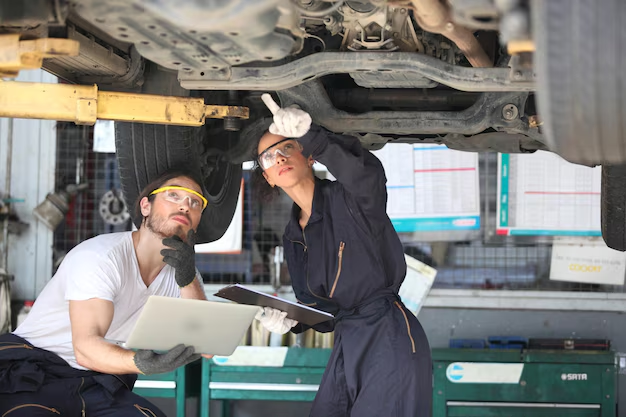
Living in Hawaii offers a unique driving experience, thanks to its stunning landscapes and tropical weather. But how does Hawaii’s climate affect your vehicle maintenance, specifically when it comes to oil changes? Whether you’re a resident or just moved here, understanding the right timing for an oil change in Lihue, HI, can keep your car running smoothly. In this guide, we’ll explore how Hawaii’s warm weather impacts your motor oil service schedule, ensuring that your car is well-prepared to take you on many more island adventures. Understanding Hawaii’s Climate and Its Impact on Your Vehicle Hawaii’s tropical climate features warm temperatures and high humidity year-round, which can affect how often you need to change your car’s oil. Unlike temperate regions that experience four distinct seasons, Hawaii’s weather is more stable, with minor fluctuations. However, this consistency doesn’t mean you can ignore your car’s oil change schedule. The Effects of Warm Weather on Motor Oil In warm climates like Hawaii, motor oil can thin out more quickly, reducing its effectiveness in lubricating engine parts. This can lead to increased engine wear and tear if not addressed promptly. Regular oil changes are crucial for maintaining your vehicle’s health. For instance, consider a scenario where you’re driving along Oahu’s scenic drives; if your engine isn’t properly lubricated due to thinned oil, you might experience overheating or engine knocking. Humidity and Its Role in Oil Degradation High humidity levels can also play a part in the degradation of motor oil. Moisture can lead to oil contamination, which reduces its ability to protect the engine. This makes it essential to stick to a consistent oil change routine in Hawaii. To prevent moisture-related issues, regularly park your vehicle in covered areas or garages, reducing exposure to the humid environment. This simple preventative measure can help maintain oil quality for longer periods. How Often Should You Change Your Oil in Lihue, HI? The general rule of thumb for oil changes is every 3,000 to 5,000 miles, but this can vary based on your vehicle type and driving conditions. Hawaii’s unique climate might require some adjustments to this schedule. Manufacturer Recommendations Always start by consulting your vehicle’s owner manual for the manufacturer’s recommended oil change interval. These guidelines consider the specific needs of your engine and can serve as a baseline for your maintenance routine. For example, if you drive a newer model Toyota, the manual might suggest oil changes every 5,000 miles, assuming normal driving conditions. However, in Hawaii’s climate, you might need to adjust this interval slightly, especially if you frequently drive in stop-and-go traffic. Considering Driving Habits In Lihue, HI, driving habits can influence how often you need an oil change. If you’re frequently driving short distances, idling in traffic, or taking hilly routes, you might need more frequent oil changes. These conditions can strain your engine, leading to faster oil degradation. Imagine frequently navigating the winding roads of the Big Island; the constant elevation changes can put extra stress on your engine, necessitating more frequent oil changes to keep things running smoothly. Choosing the Right Motor Oil for Warm Weather Selecting the appropriate motor oil is crucial for optimal vehicle performance, particularly in warm climates. Synthetic vs. Conventional Oil Synthetic oils are often better suited for Hawaii’s climate because they offer superior protection against high temperatures. They are designed to withstand extreme conditions, providing better lubrication and engine protection compared to conventional oils. While synthetic oil might be more expensive initially, it offers long-term savings by reducing wear and extending engine life. Viscosity Ratings Explained Viscosity refers to the thickness of the oil and its ability to flow at various temperatures. In warm climates, oils with lower viscosity ratings, such as 5W-30 or 10W-30, are recommended. These oils flow more easily in warm temperatures, reducing engine friction and wear. Understanding viscosity can help you select the right oil that maintains its protective qualities even when temperatures soar, like during a summer day on Maui. Seasonal Tips for Car Care in Hawaii While Hawaii’s climate remains relatively constant, seasonal variations can still impact vehicle maintenance. Preparing for the Wet Season The wet season in Hawaii typically spans from November to March. During this time, the increased rain can lead to more road debris and potential contaminants in your engine. Consider scheduling an oil change before this period to ensure your engine is clean and well-protected. Additionally, regularly checking and replacing your vehicle’s air filter can prevent debris from affecting engine performance. Dry Season Considerations The dry season, from April to October, can lead to dust and debris accumulation, which can affect your oil’s effectiveness. Regular checks and timely oil changes are crucial for maintaining engine performance during these months. Washing your car regularly to remove dust can also prevent it from entering the engine bay, thereby maintaining oil quality. The Role of Professional Motor Oil Services Relying on professional motor oil services can enhance your vehicle’s longevity and performance. Benefits of Professional Oil Changes Expert technicians can ensure that the right type of oil is used for your vehicle and climate. They can also perform additional checks like inspecting the oil filter, topping off other fluids, and identifying any potential issues before they become major problems. For example, during a professional oil change, technicians might notice a small oil leak that, if left unchecked, could lead to significant engine damage, costing thousands in repairs. Finding a Reliable Service in Lihue, HI Destination Autoworks in Lihue offers comprehensive motor oil services tailored to the local climate. Their professional team can help you determine the best oil change schedule for your vehicle, ensuring you get the most out of your car in Hawaii’s unique environment. Common Signs It’s Time for an Oil Change Being proactive about oil changes can prevent major engine issues down the road. Keep an eye out for these common signs that it’s time for an oil change: Engine Noise and Performance Issues If your engine starts making unusual noises or if you
What Makes Destination Autoworks Different from Other Shops
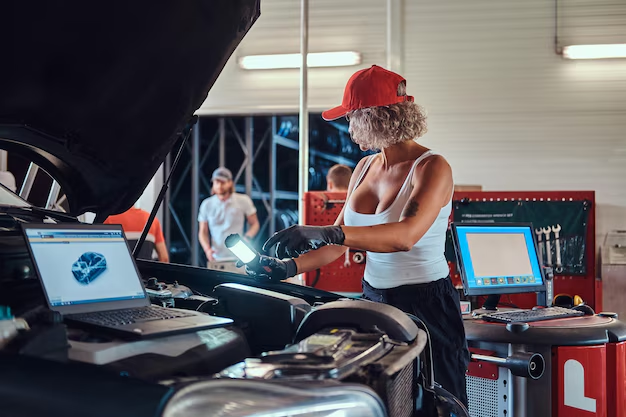
When your car needs attention, finding a reliable and trustworthy mechanic can be a daunting task. With so many options available, how do you know which shop will provide the best care for your vehicle? For residents of Lihue, Hawaii, the choice is clear: Destination Autoworks. This local gem stands out from the crowd, offering unparalleled service and expertise. In this post, we’ll explore what makes Destination Autoworks different from other shops and why it’s the go-to choice for European, Asian, and domestic vehicle owners alike. A Tradition of Trust and Excellence Built on Community Trust Destination Autoworks is more than just a local auto shop in Kauai; it’s a community staple. For years, this shop has been earning the trust of vehicle owners in Lihue with its commitment to honesty and transparency. Unlike some shops that may suggest unnecessary repairs, Destination Autoworks prides itself on providing only the services that are truly needed, ensuring customers feel confident and informed. Consider a scenario where a customer comes in fearing a costly transmission repair, only to find out that the real issue was a minor sensor malfunction—this is the kind of honest service that builds lifelong customer relationships. This integrity not only saves money but also builds trust, which is invaluable. Expert Technicians The team at Destination Autoworks is composed of highly skilled mechanics who are experts in their field. Whether you drive a European luxury car, a reliable Asian sedan, or a rugged domestic truck, their technicians have the knowledge and experience to handle it all. Continuous training ensures they stay up-to-date with the latest automotive technologies and repair techniques, making them a trusted mechanic in Lihue, HI. For instance, the shop recently invested in a state-of-the-art diagnostic tool that allows technicians to pinpoint issues with precision, saving both time and money for the customer. By staying ahead of technology trends, the shop ensures that repairs are done efficiently and accurately. Comprehensive Services for Every Vehicle European Vehicle Specialists European vehicles are renowned for their advanced engineering and performance. However, they also require specialized knowledge and tools for maintenance and repair. Destination Autoworks is equipped with state-of-the-art diagnostic equipment and the expertise to service brands like BMW, Audi, and Mercedes-Benz, ensuring your vehicle runs smoothly. Owning a European car often comes with higher maintenance costs. Destination Autoworks helps manage these costs by offering preventative maintenance tips, such as regular brake inspections, to catch wear and tear early before it becomes a costly repair. Catering to Asian Vehicles Owners of Asian vehicles, including popular brands like Toyota, Honda, and Nissan, can rest easy knowing their cars are in capable hands. The team understands the unique needs of these vehicles and offers tailored services to keep them in peak condition. A common issue in older Asian models is the timing belt, which can lead to significant engine damage if neglected. By recommending regular inspections and timely replacements, Destination Autoworks helps prevent potentially expensive repairs. Domestic Vehicle Expertise For domestic vehicle owners, Destination Autoworks provides reliable and efficient service, whether it’s routine maintenance or complex repairs. From Ford to Chevrolet, they have the experience to handle all major American brands with care and precision. Commitment to Customer Satisfaction Personalized Service Experience Every customer at Destination Autoworks is treated like family. The team takes the time to understand each customer’s needs and offers personalized solutions. This dedication to customer service creates a welcoming atmosphere where clients feel valued and respected. One customer, who was new to the area, appreciated how the staff explained every detail of the repair process, from diagnostics to final fixes, ensuring they felt comfortable and informed about their vehicle’s health. Transparent Communication Clear communication is key to a positive auto repair experience. Destination Autoworks ensures that customers are kept in the loop every step of the way. From initial diagnostics to final repairs, they provide detailed explanations and are always ready to answer any questions. This approach not only reduces anxiety but also allows customers to make informed decisions about their vehicle’s maintenance, potentially preventing future issues. Convenient and Accessible Location Central Location in Lihue Located conveniently in Lihue, Destination Autoworks is easily accessible for residents throughout Kauai. This central location means you won’t have to go out of your way to receive top-notch automotive care. Flexible Scheduling Understanding the busy lives of their customers, Destination Autoworks offers flexible scheduling options. Whether you need a quick oil change or a more involved repair, they work around your schedule to minimize disruptions to your day. Moreover, they offer convenient drop-off and pick-up options, ensuring that your car’s service fits into your life seamlessly without causing unnecessary stress. Environmentally Responsible Practices Sustainable Operations Destination Autoworks is committed to reducing its environmental impact. The shop employs sustainable practices, such as recycling used oil and other materials, to ensure their operations are as green as possible. Eco-Friendly Options For environmentally conscious clients, Destination Autoworks offers eco-friendly products and services. By choosing solutions that are less harmful to the environment, they help customers make responsible choices for their vehicles and the planet. For example, they offer eco-friendly oil change options that not only protect the environment but also enhance engine performance, showcasing their commitment to sustainability. Competitive Pricing and Value Fair and Transparent Pricing One of the standout features of Destination Autoworks is its commitment to fair pricing. Customers can expect competitive rates without hidden fees. Detailed invoices break down costs, so you know exactly what you’re paying for. The shop offers bundled service packages that provide significant savings over individual services, allowing you to manage your car’s maintenance more cost-effectively. Value-Added Services In addition to their competitive pricing, Destination Autoworks offers value-added services that enhance the overall customer experience. These include free vehicle inspections with certain services and loyalty programs that reward repeat customers. By offering loyalty discounts, they not only save you money but also encourage regular maintenance, which is key to preventing costly repairs down the road. A Reputation Built on
How to Prepare Your Car for Island Driving Conditions
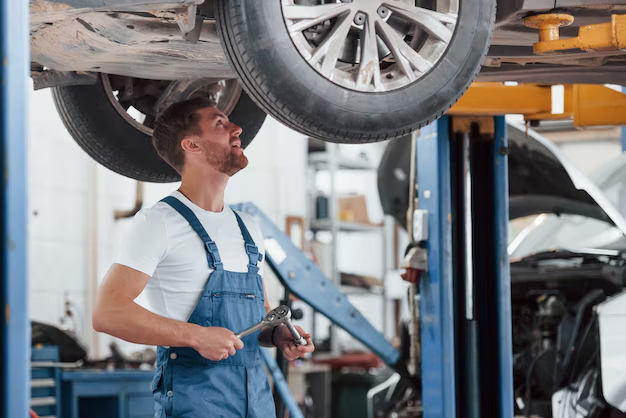
Driving in Hawaii comes with unique challenges. The tropical climate, salty ocean air, and varied landscapes demand extra care to keep your vehicle performing at its best. This guide explains how to prepare your car for the distinctive conditions of Lihue, Hawaii. Whether you live on the island or are visiting, these tips will help you drive safely and keep your car in excellent shape. Understanding Island Climate and Its Impact on Vehicles Hawaii’s warm temperatures, humidity, and salt air can take a toll on your vehicle. Knowing how these elements affect your car helps you take preventive measures and avoid costly damage. The Effects of Humidity High humidity accelerates rust and corrosion, especially on the undercarriage and exposed metal parts. Regular inspections and applying protective coatings can help prevent deterioration. A Lihue resident once discovered significant undercarriage rust after leaving his car unused for a month during the rainy season. Regular monthly inspections and rust protection could have prevented the issue and saved $300–$800 in repairs. Salt Exposure and Corrosion Proximity to the ocean means constant exposure to salty air, which speeds up corrosion. Wash your vehicle regularly—especially the undercarriage—to remove salt buildup, and wax it frequently to protect the paint. Rinsing your car with fresh water after driving near the coast helps prevent salt damage. With car washes typically costing $10–$30, it’s a small investment compared to expensive bodywork repairs. Tire Maintenance for Island Roads Hawaii’s roads can range from smooth highways to uneven coastal routes. Proper tire care ensures safe driving across all terrains. Choosing the Right Tires All-terrain or weather-resistant tires are ideal for Hawaii’s diverse driving conditions. They provide better grip and durability across varying surfaces. Visitors driving rental cars with standard tires often find themselves stuck on muddy or unpaved roads. The right tires not only improve safety but can also save you from unexpected towing expenses, which often exceed $100. Regular Tire Checks Check tire pressure and tread depth regularly. Uneven wear is common on island roads, so rotate your tires every few months to extend their lifespan. A quick inspection before a trip helps prevent blowouts and roadside breakdowns. Tire rotation and alignment services typically cost between $50 and $100—an affordable step toward maintaining safety. Engine and Cooling System Care Hawaii’s warm climate places added stress on your engine and cooling system. Routine care helps prevent overheating and mechanical failure. Regular Oil Changes Heat causes motor oil to degrade faster. Monitor oil levels often and follow your manufacturer’s recommended change intervals. Many drivers in Lihue notice better fuel efficiency and smoother performance after sticking to regular oil change schedules. At $30–$70, an oil change is far cheaper than engine repairs that can exceed $1,000. Cooling System Maintenance Inspect your cooling system frequently. Check coolant levels, look for leaks, and flush the system annually. A well-maintained cooling system prevents overheating and extends engine life. Parking in shaded areas and using sunshades can also reduce heat buildup. A cooling system flush costs about $100–$150, helping you avoid far more expensive repairs. Protecting Your Car’s Exterior Hawaii’s strong UV rays can fade paint and damage interiors. Regular protection preserves your vehicle’s look and value. Using Sunshades and Car Covers Use a windshield sunshade and cover your car when parked for long periods. These simple steps prevent UV-related fading and cracking. A good car cover costs $50–$100 and can prevent hundreds of dollars in paint or upholstery repairs. Regular Waxing Waxing provides a protective layer against sun and salt exposure while enhancing your car’s appearance. Regular waxing can prevent the need for paint jobs, which range from $500 to $5,000 depending on the damage. Ensuring Electrical System Reliability Moisture and salt can corrode electrical components. Routine checks keep your car’s electrical systems dependable. Battery Maintenance Inspect battery terminals for corrosion and clean them as needed. Ensure the battery is securely mounted and free from damage. Simple maintenance prevents sudden failures that can lead to towing costs exceeding $100. Inspecting Electrical Connections Check wiring and electrical connections for corrosion or wear. Addressing small issues early prevents major failures later. Professional inspections typically cost $50–$100 and can help avoid costly electrical repairs. Brake System Checks With Lihue’s varied terrain, dependable brakes are essential. Regular maintenance ensures safe stopping power on both hills and city streets. Routine Brake Inspections Have your brakes inspected regularly to keep pads and rotors in good condition. Address any unusual noises or performance changes immediately. Brake inspections cost between $70 and $200 and can prevent far more expensive repairs. Brake Fluid Levels Check and replace brake fluid as recommended by your vehicle’s manufacturer. Proper fluid levels ensure consistent braking, especially on steep roads. Neglecting brake maintenance can lead to failures, costly repairs, and potential safety risks. Local Driving Tips for Lihue Residents Driving in Lihue requires awareness of local conditions to ensure smooth, safe travel. Understanding Local Traffic Patterns Traffic congestion often occurs during peak hours. Plan your trips accordingly and stay patient during delays. Knowing alternate routes helps save time and reduce stress. Being Prepared for Sudden Weather Changes Hawaii’s weather can shift quickly. Keep an emergency kit in your car with essentials such as a flashlight, a first aid kit, and basic tools. A well-equipped kit, costing about $50, ensures you’re prepared for unexpected situations. portrait-confused-mechanic-male-knowing-what-disrepair-maintenance-car-auto-repair_482921-16099 Contact Destination Autoworks for Expert Assistance Keep your vehicle ready for Hawaii’s unique driving conditions with professional care from Destination Autoworks in Lihue. Our certified technicians provide complete maintenance and repair services designed for island weather and terrain. Whether you need a quick inspection, corrosion protection, or a full diagnostic, we’ll ensure your car stays safe, efficient, and road-ready. Schedule your service today and experience reliable, local expertise that keeps you driving confidently across every mile of the island.
Is Your Check Engine Light On? Here’s What It Could Mean

It starts with a small glow on your dashboard. At first, you may brush it off, convincing yourself it is not urgent. But the check engine light is one signal you should never ignore. It can mean something as minor as a loose gas cap or as serious as a failing catalytic converter. The key is knowing what it could mean, and more importantly, what you should do when it turns on. For drivers in Lihue and across Kauai, understanding this warning light is essential. Let’s break down the mystery behind the check engine light and explain how proper engine diagnostics can save you from bigger problems down the road. Why Your Check Engine Light Turns On Every modern vehicle has an onboard computer system that monitors engine performance and emissions. When the system detects an irregularity, it triggers the check engine light. The light itself does not tell you the exact problem, but it signals that something in the engine or emissions system needs attention. Here are some of the most common reasons the light comes on: 1. Loose or Faulty Gas Cap Believe it or not, one of the simplest triggers is a gas cap that is loose, cracked, or missing. Since your gas cap keeps fuel vapors from escaping, a leak can trigger the system to alert you. 2. Oxygen Sensor Malfunction The oxygen sensor monitors how much oxygen is in the exhaust. If it fails, your car may burn more fuel than necessary, lowering your gas mileage and harming the catalytic converter. 3. Failing Catalytic Converter The catalytic converter reduces harmful emissions. If it stops working properly, your vehicle may not pass an emissions test, and you could notice sluggish performance. 4. Faulty Spark Plugs or Ignition Coils If spark plugs or ignition coils wear out, they can cause misfires. You might feel your car stutter, lose power, or even have trouble starting. 5. Mass Airflow Sensor Issues This sensor measures how much air enters the engine. A problem here can cause poor fuel economy, difficulty starting, or rough idling. 6. Exhaust Gas Recirculation (EGR) Valve Problems When this valve malfunctions, it can affect emissions and engine performance. You may notice a rough idle or increased fuel consumption. Flashing vs. Solid Check Engine Light Not all check engine lights are the same. A steady light means there is a problem, but you can usually continue driving for a short time while you arrange for service. A flashing light, however, is much more serious. It typically indicates an active misfire, which can cause damage to the catalytic converter and engine if ignored. If your light is flashing, it is best to pull over safely and have your vehicle towed to a repair shop for diagnostics right away. How Engine Diagnostics Work When you bring your car to a trusted shop in Lihue, the first step is connecting a diagnostic scanner to your vehicle’s onboard computer. This tool retrieves car trouble codes, which are specific identifiers that point to the system or part experiencing issues. For example: P0300: Random or multiple cylinder misfire detected P0420: Catalyst system efficiency below threshold P0171: System too lean (air-fuel mixture issue) These codes are not the final answer but serve as a roadmap for technicians. A skilled ASE-certified mechanic will interpret the codes, inspect the affected systems, and pinpoint the true cause. At Destination Autoworks, our technicians combine years of experience with advanced diagnostic tools to ensure no guesswork is involved. Why You Shouldn’t Ignore It It may be tempting to keep driving when your car seems fine even with the check engine light on. But ignoring the warning can turn a small repair into a costly replacement. Here’s why: Reduced Efficiency: Even minor issues like faulty sensors can cause your engine to waste fuel. Over time, that adds up in gas costs. Increased Emissions: A malfunctioning system may release more pollutants, potentially causing your car to fail emissions checks. Hidden Damage: What starts as a misfire can quickly damage your catalytic converter or engine components. Safety Concerns: Some check engine issues affect drivability, which can be dangerous if you are caught off guard on the road. By addressing the light early, you avoid being stranded and protect your car’s long-term health. Everyday Scenarios Drivers Face Picture this: you are on your way from Lihue to Kapaa when your check engine light pops on. The car feels normal, but you are left wondering if it is safe to continue. Or maybe your fleet vehicle in Kauai shows the light during a delivery, risking downtime that your business cannot afford. In both cases, the best move is not to wait. Engine diagnostics take the guesswork out of the situation. A quick inspection can confirm whether the issue is minor or something that needs immediate attention. How Destination Autoworks Helps At Destination Autoworks, we understand how stressful that glowing light can be. Our ASE-certified technicians are equipped with advanced diagnostic tools to quickly identify and resolve check engine problems. With over 25 years of experience, we specialize in European, Asian, and domestic vehicles, including unique imports that many shops will not touch. Here is how we can help when your check engine light comes on in Lihue or anywhere on Kauai: Comprehensive Engine Diagnostics: We retrieve and interpret trouble codes, perform detailed inspections, and confirm the root cause. Repairs You Can Trust: From spark plugs to catalytic converters, we handle both minor and major repairs with integrity and precision. Fleet Services: For businesses, we offer reliable fleet management to minimize downtime and keep your vehicles running smoothly. Specialized Care: Whether you drive a Mercedes, Volvo, Acura, or even a Kei truck, we provide tailored service to match your vehicle’s unique needs. When you choose Destination Autoworks, you are not just getting a repair. You are getting the peace of mind that your car is in expert hands. What To Do When Your Light Comes On If your check engine light turns on, follow
Why Regular Maintenance Extends the Life of Your Vehicle
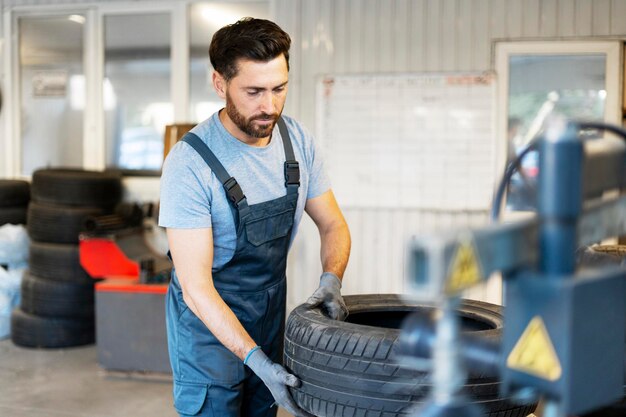
Your vehicle—whether it’s a sleek European model, a rugged domestic truck, or a compact Asian import—is an investment. And just like any valuable investment, your vehicle needs consistent care to maintain its performance, safety, and longevity. Unfortunately, many car owners in places like Kauai and Lihue put off maintenance until something breaks. By then, what could’ve been a simple, low-cost service turns into a major repair. At Destination Autoworks, we’ve seen firsthand what regular maintenance can do to extend the life of a vehicle. Whether it’s a Mercedes, a Volvo, a Kei truck, or your daily driver, sticking to a maintenance schedule means fewer breakdowns, more miles, and better peace of mind behind the wheel. Here’s why regular vehicle maintenance isn’t just smart—it’s essential. Routine Maintenance is Your Vehicle’s Best Friend Think of maintenance like brushing your teeth or going to the gym. You don’t wait for a cavity to start flossing, and you don’t wait for a pulled muscle to start stretching. In the same way, your car’s health relies on consistent care. Oil changes, fluid top-offs, tire rotations, and filter replacements might seem small, but they’re your first line of defense against wear and tear. Regular oil changes, for example, keep your engine lubricated and prevent damaging friction. Skipping this service causes sludge buildup, which can lead to engine failure—one of the most expensive repairs in the auto world. At Destination Autoworks, our general maintenance service covers these routine checks so your vehicle always runs at its best. We don’t just top off your fluids and send you on your way—we give you a full picture of your vehicle’s health, based on over 25 years of industry experience. Small Issues Don’t Become Big Repairs Ever heard a squeak when braking or a strange hum from under the hood, only to ignore it until it becomes unbearable? Minor symptoms like these often signal a bigger issue waiting to unfold. Regular maintenance appointments are like wellness checkups for your car. They allow trained technicians—like our ASE-certified team at Destination Autoworks—to catch early warning signs before they snowball into costly repairs. Catching a worn serpentine belt before it snaps could mean the difference between a $75 fix and a $750 engine repair. Our certified experts are trained to spot the subtle signs most people miss. And for those driving specialty imports or working vehicles like fleet vans, early detection is everything. Our clients in Lihue and across Kauai rely on their vehicles daily. The last thing they need is a preventable breakdown. Improved Fuel Efficiency Means More Money in Your Pocket Gas isn’t getting any cheaper, and inefficient vehicles can burn a hole in your wallet. Poor tire pressure, clogged air filters, old spark plugs, and dirty oil all force your engine to work harder than it should—burning more fuel to get the same job done. Routine vehicle maintenance keeps everything in tune, helping your car run as efficiently as possible. For example, something as simple as a tire rotation and alignment can improve fuel economy by reducing rolling resistance. Over time, that adds up. We’ve helped countless customers in Kauai improve their MPG with small adjustments during regular maintenance visits. You might not notice a huge change right away, but over thousands of miles, the savings become undeniable. Your Vehicle Lasts Longer—Period Longevity isn’t just about hitting a mileage milestone. It’s about keeping your vehicle running smoothly through all seasons, road conditions, and adventures. With regular care, it’s not uncommon for modern cars to last 200,000 miles or more. But the key to reaching that number lies in how well you maintain it. Proper maintenance means your vehicle doesn’t have to work harder than necessary. Parts wear more evenly, fluids stay clean, and systems remain balanced. It’s not just about fixing things when they break—it’s about preventing that breakage in the first place. Drivers in Lihue who stay on top of their vehicle maintenance see the difference firsthand: fewer breakdowns, longer lifespans, and better resale value when it’s time to trade in. Safety You Can Count On One of the most overlooked benefits of regular maintenance is safety. Worn brake pads, failing suspension components, or an underperforming cooling system can turn a routine drive into a hazard. At Destination Autoworks, we take safety seriously. Our comprehensive inspections don’t just focus on what’s obvious—we dig deeper. Every time you bring your vehicle in, we check critical systems to ensure you’re not unknowingly driving around with a safety issue waiting to happen. We also offer state-certified safety inspections, especially important for drivers with high-performance or modified vehicles. Whether it’s a lifted truck or a turbocharged import, we make sure it’s not just legal—it’s roadworthy. Specialized Vehicles Need Specialized Care Let’s face it—many shops shy away from working on unique vehicles like Mercedes, Volvo, Acura, or imported Japanese Kei trucks. But at Destination Autoworks, we welcome the challenge. We’ve built our reputation on providing expert-level service for both common and uncommon vehicles. Whether you’re cruising the coast in a luxury sedan or navigating rural roads in a lifted truck, our team knows how to maintain and upgrade your vehicle without cutting corners. From high-performance enhancements to simple filter changes, every job is handled with precision. For fleet operators across Kauai, our dedicated fleet management services ensure your entire lineup stays in peak condition. We help businesses avoid downtime, reduce operating costs, and extend the life of every vehicle in the fleet. Don’t Forget About Seasonal Maintenance Living in a place like Kauai means your vehicle faces unique challenges—sun, salt, humidity, and variable road conditions. Seasonal maintenance keeps your car ready for whatever the weather throws its way. Before summer heat hits or after the rainy season ends, it’s smart to check your A/C, battery, wiper blades, and cooling system. Our certified technicians are trained to spot corrosion, leaks, and wear that could be worsened by seasonal changes. And for those who drive off-road or tow, a seasonal inspection is especially important. These